A Graphic Designer’s Review: The Halloween Teddy Bear SVG Bundle
As a designer working with seasonal brands and product launches, I’m constantly evaluating assets for real-world application. When a new Halloween-themed bundle lands on my desk, my first thought isn’t just about aesthetics—it’s about viability. Can this graphic design asset translate from a digital product into a polished client deliverable? My recent review of the Halloween Teddy Bear SVG bundle was framed by a specific project: a boutique candle company preparing their October product line and marketing visuals. This wasn’t about generic holiday graphics; it was about finding a creative design that could support a cohesive, charming brand identity.
The First Impression: A Cute, Seasonal Mood with Handmade Appeal
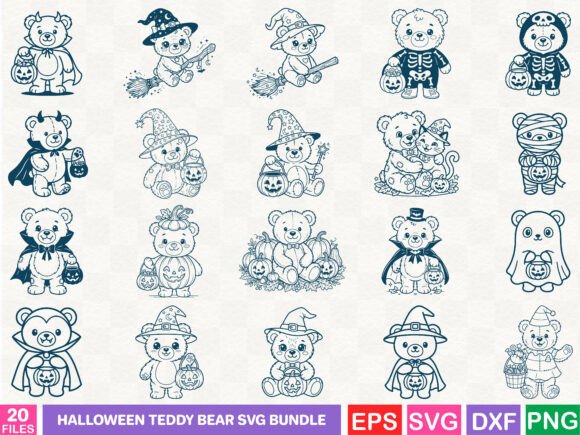
Opening the bundle, the immediate mood is playful yet polished. The teddy bear illustrations lean into a friendly, almost nostalgic Halloween style—not spooky, but sweet. This isn’t gritty horror clipart; it’s decorative. The style inherently fits clients targeting families, handmade businesses, or brands wanting a warmer seasonal tone. For my candle shop client, whose branding is cozy and artisan, this felt like a natural direction. The vectors are clean, suggesting they’ll scale well, which is my first technical checkpoint for any SVG design intended for both web design and physical merchandise.
Real Client Application: From Packaging Mockups to Social Posts
In practical terms, I tested this bundle across several typical project touchpoints. For product labels and packaging design, the individual bear illustrations worked beautifully as decorative accents around the primary logo. Their simpler forms didn’t fight for visual hierarchy against the brand’s typography. For social media graphics, particularly Instagram posts and Pinterest pins aiming for an autumnal feel, the elements combined easily into background patterns or focal points within Canva templates. The bundle’s versatility, as suggested, held true for prints—mockups for t-shirt design and mug making showed crisp edges and good detail retention.
Where This Halloween Bundle Excels
This design bundle shines in specific applications. It’s strong for larger layout areas: think hero graphics on a seasonal landing page or poster designs for a local cafe’s Halloween event. The individual illustrations are perfect as supporting brand elements on product mockups, like tote bags or sticker designs for a small business branding campaign. For a themed collection, such as an Etsy shop launching a Halloween printable design series, these graphics provide a consistent visual thread across digital ads, blog visuals, and printable wall art. The emotional appeal is clear—it engages an audience looking for festive, non-threatening holiday cheer.
Caution Points for Professional Use
However, professional judgment requires noting limitations. In very small sizes, like on a tiny product tag, some finer decorative details may vanish, reducing recognition. I wouldn’t recommend it for crowded layouts where clarity is paramount, or for minimalist branding that relies solely on typography. It feels mismatched for strictly professional corporate materials; this is commercial design for the creative marketplace. The style also demands careful background pairing—low-contrast designs or complex textures behind the illustrations can compromise readability and overall impression.
The Designer’s Practical Checklist Before Client Deployment
Before committing any asset to a paid project, I run a series of tests. For this Halloween Teddy Bear SVG bundle, I immediately viewed it in black and white to assess form independent of color. Contrast checks on both light and dark backgrounds are essential for web design and packaging where backgrounds vary. Previewing at extreme sizes—from a large sublimation design to a tiny web icon—confirmed the vector editability was sound. Placing elements on real mockups (a mug, a t-shirt, a flyer) gave the client a tangible sense of the final result.
Testing print quality, even digitally, hints at potential issues. For printable designs, the SVG’s cleanliness is a plus. I also compared the illustrations alongside different font styles—a serif font felt too formal, a playful sans serif or a subtle script font harmonized better, enhancing the overall visual trust of the composition. Crucially, confirming the commercial license is step one. Using a graphic design asset for a client’s marketing visuals or print-on-demand products requires unambiguous permission.
Final Judgment: A Polished Asset for Targeted Seasonal Projects
For my boutique candle project, the Halloween Teddy Bear SVG bundle proved suitable. It improved the visual mood, offering a ready-made yet editable foundation for their campaign visuals. It helped the final designs feel more cohesive and polished without requiring custom illustration time. For designers, brand owners, and content creators operating in the seasonal niche—especially those focused on merchandise, digital sellers, and handmade business—this bundle is a functional tool. It’s not a universal solution, but when the project calls for a cute, scalable, and commercially licensed set of Halloween illustrations, it passes the professional review. The key is applying it with design sense: respecting hierarchy, ensuring contrast, and aligning it with a brand’s existing voice. Done right, it can elevate a simple seasonal concept into a compelling, market-ready visual identity.